When selecting a backpack for wet conditions, understanding the difference between waterproof and water-resistant is crucial. These terms are not interchangeable; they represent distinct levels of protection against moisture, governed by technical standards and intended for specific scenarios.
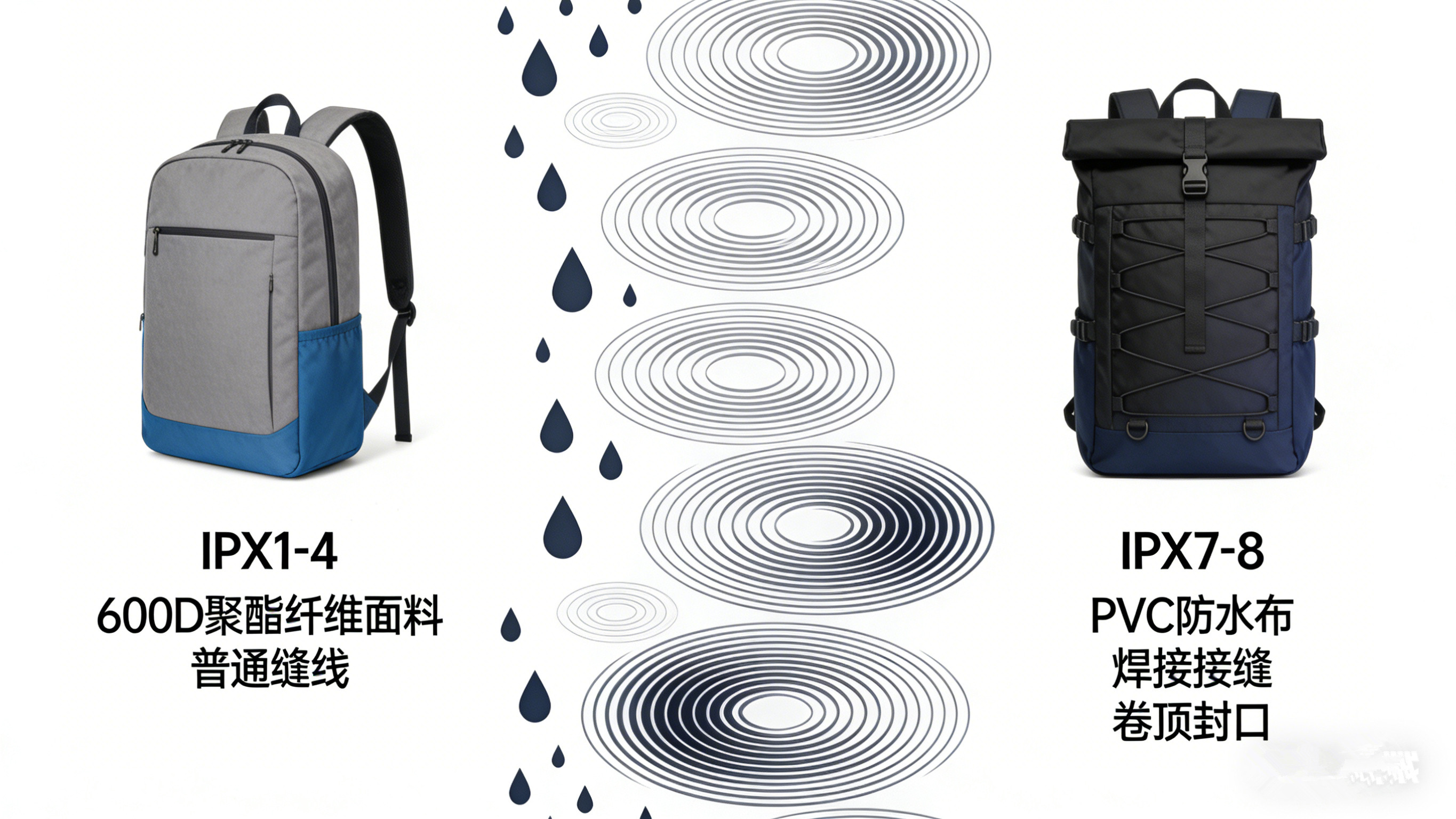
Understanding the Terminology: Waterproof vs. Water-Resistant
Water-Resistant Backpacks
- Definition:Water-resistant backpacks offer protection against light moisture, such as drizzle or accidental spills. They are not designed to withstand prolonged exposure or submersion.
- Technical Standard (IP Rating):Often rated at IPX1 to IPX4. For example, IPX4 means the backpack can handle water splashes from any direction but is not submersible.
- Common Technologies:Fabrics like coated nylon or polyester (e.g., 600D polyester with a DWR finish) provide a surface that causes water to bead up and roll off. Seams may not be fully sealed.
- Ideal Use Cases:Ideal for students commuting to school, office workers facing unexpected rain, or light travel where heavy downpours aren't expected. They offer convenience without the bulk or cost of fully waterproof options.

Waterproof Backpacks
- Definition:Waterproof backpacks provide complete protection against water ingress, even under sustained rainfall or partial submersion. They offer a higher, more reliable barrier.
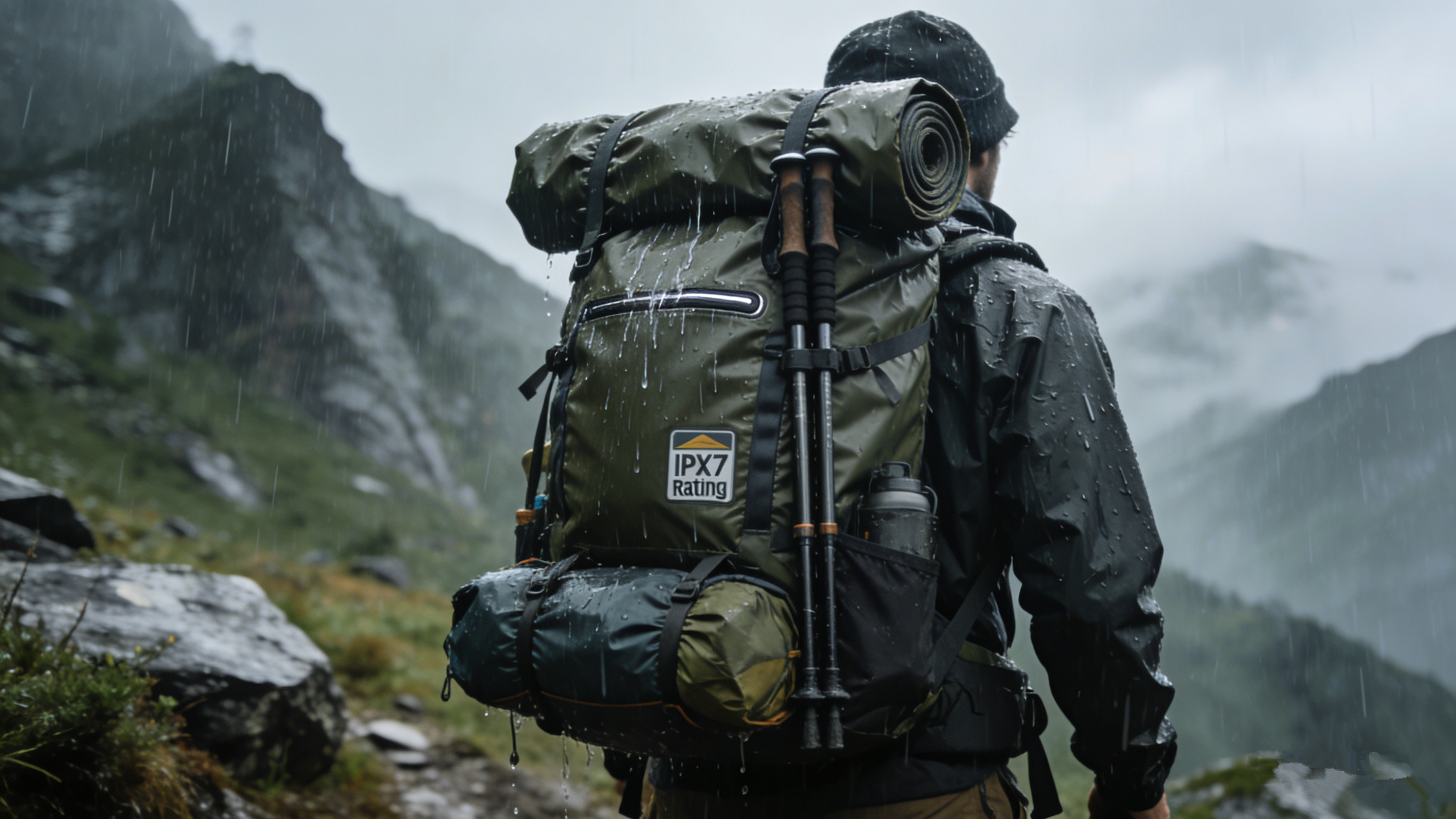
- Technical Standard (IP Rating):Typically rated IPX7 (waterproof for 30 minutes at 1-meter depth) or IPX8 (waterproof for longer periods at greater depths). Look for certifications like IP ratings or specific industry standards.
- Common Technologies:Utilizes inherently waterproof materials like PVC tarpaulin or TPU-laminated fabrics (e.g., 1000D tarpaulin with welded seams). Seams are sealed using techniques like RF (Radio Frequency) welding or heat-sealed taping to prevent leakage at stitch points. Roll-top closures are a common feature for creating a watertight seal.
- Ideal Use Cases:Essential for outdoor enthusiasts engaged in activities like hiking, kayaking, fishing, or mountaineering, where gear must stay dry regardless heavy storms.
Key Technologies in Waterproof and Water-Resistant Backpacks
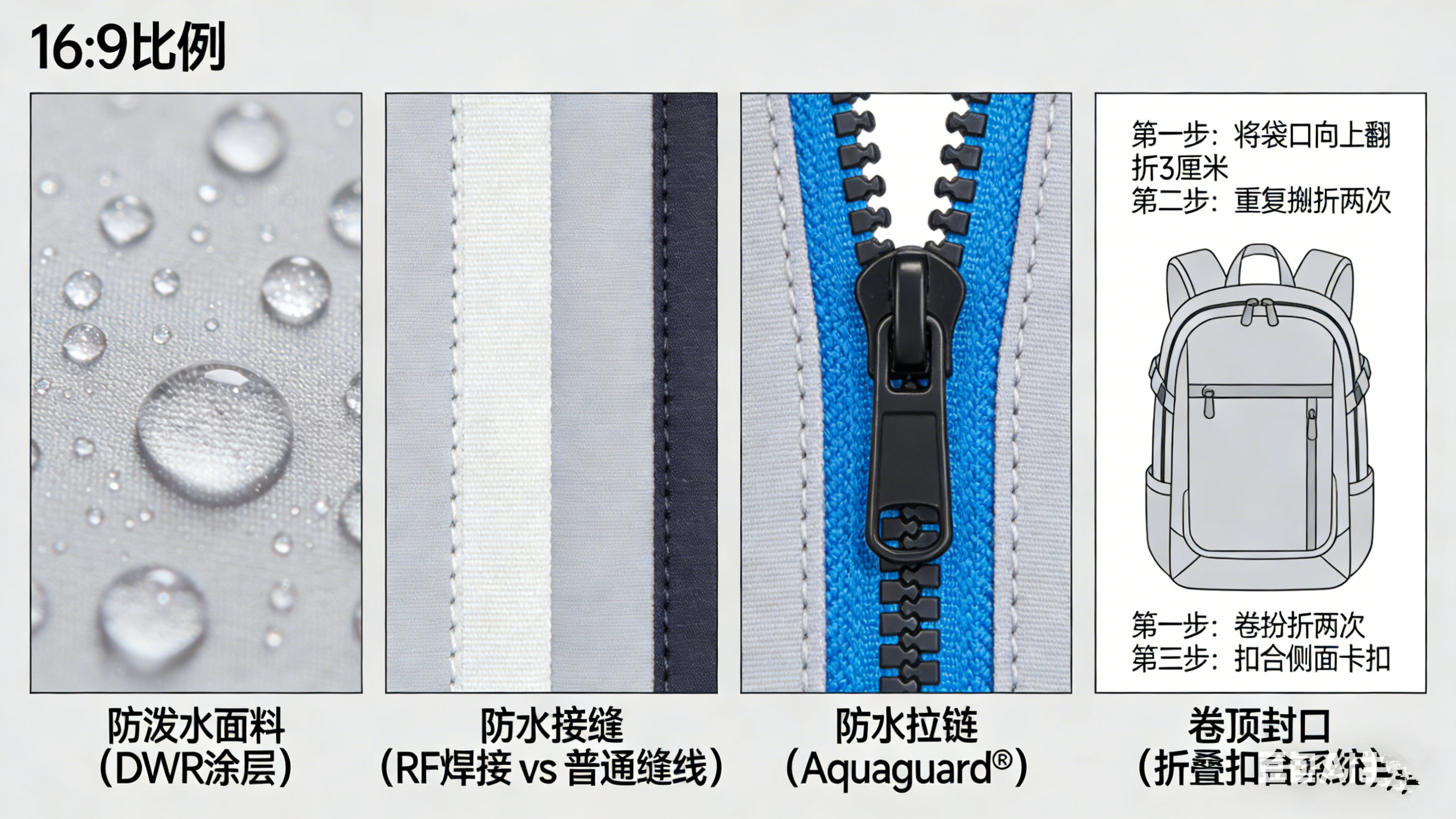
- Fabrics:
- Water-Resistant:DWR (Durable Water Repellent) treated nylon/polyester, coated fabrics.
- Waterproof:PVC tarpaulin, TPU/PU laminated fabrics, Hypalon® (for high durability).
- Seam Construction:
- Water-Resistant:Often stitched seams; may have minimal sealing.
- Waterproof:Requires fully sealed seams using RF welding, heat taping, or liquid sealants applied over stitching.
- Zippers:Water-Resistant: May have standard zippers or lightly coated ones.
- Waterproof:Requires aquaguard® or similar waterproof zippers, often covered by a protective storm flap.
- Closures:Roll-top closures with buckles or snaps are common on waterproof bags for a secure seal.
Choosing the Right Backpack for Your Needs
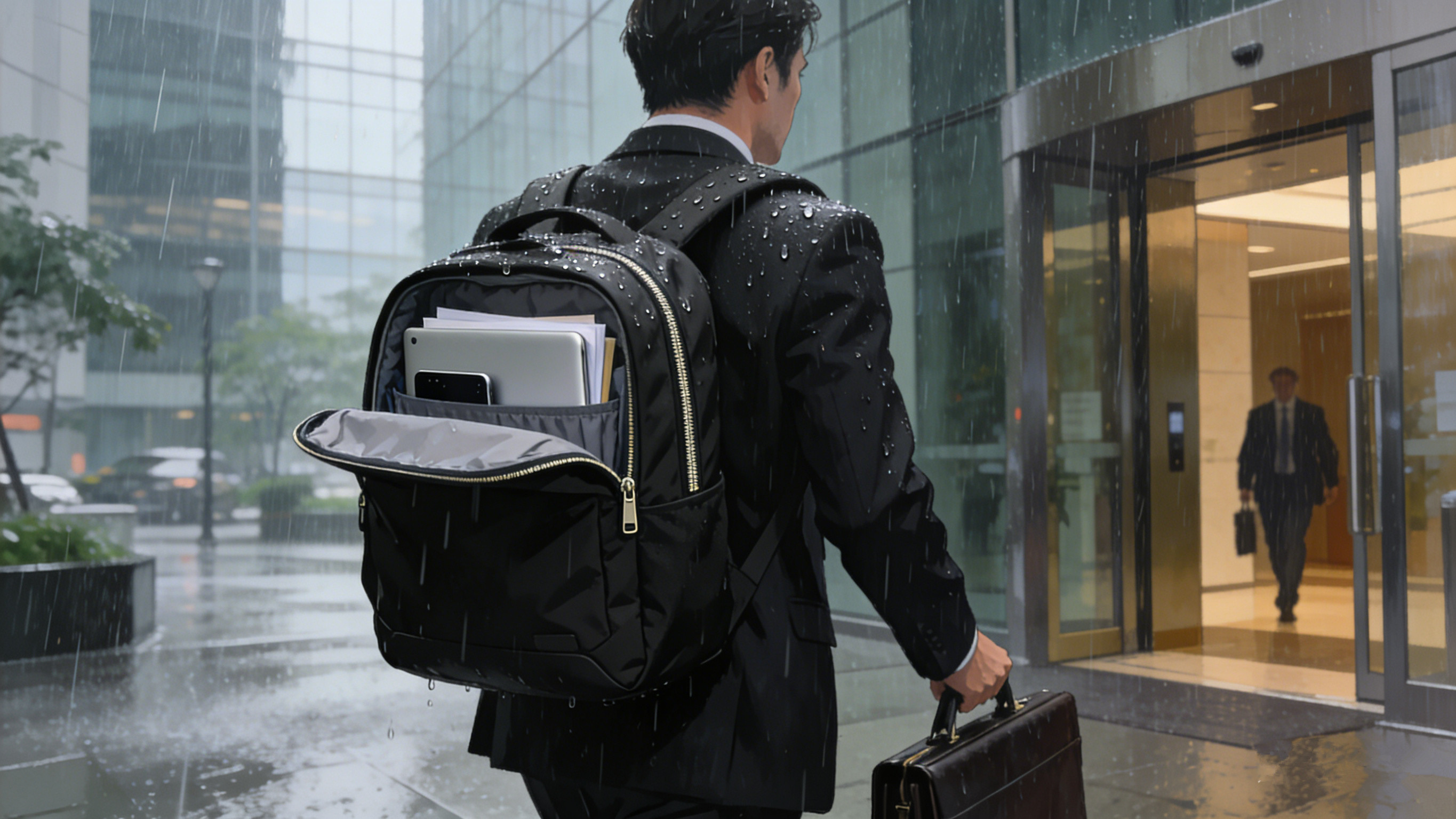
- Students & Daily Commuters:A water-resistant backpack is usually sufficient. Look for a durable fabric (e.g., 600D polyester), a light DWR coating, and a design that keeps contents organized. Ensure laptop sleeves have a protective flap.* Urban Professionals: A water-resistant backpack with a more professional aesthetic is key. Prioritize organization, padded compartments for electronics, and reliable water resistance for commutes. Consider bags with taped seams for enhanced protection.
- Outdoor Enthusiasts (Hikers, Campers, Kayakers):A fully waterproof backpack is non-negotiable. Prioritize IPX7 or IPX8 ratings, welded seams, waterproof zippers, and roll-top closures. Durability and carrying comfort (padded straps, hip belt) are paramount. Brands specializing in outdoor gear, such as [Insert Brand Example], excel here.
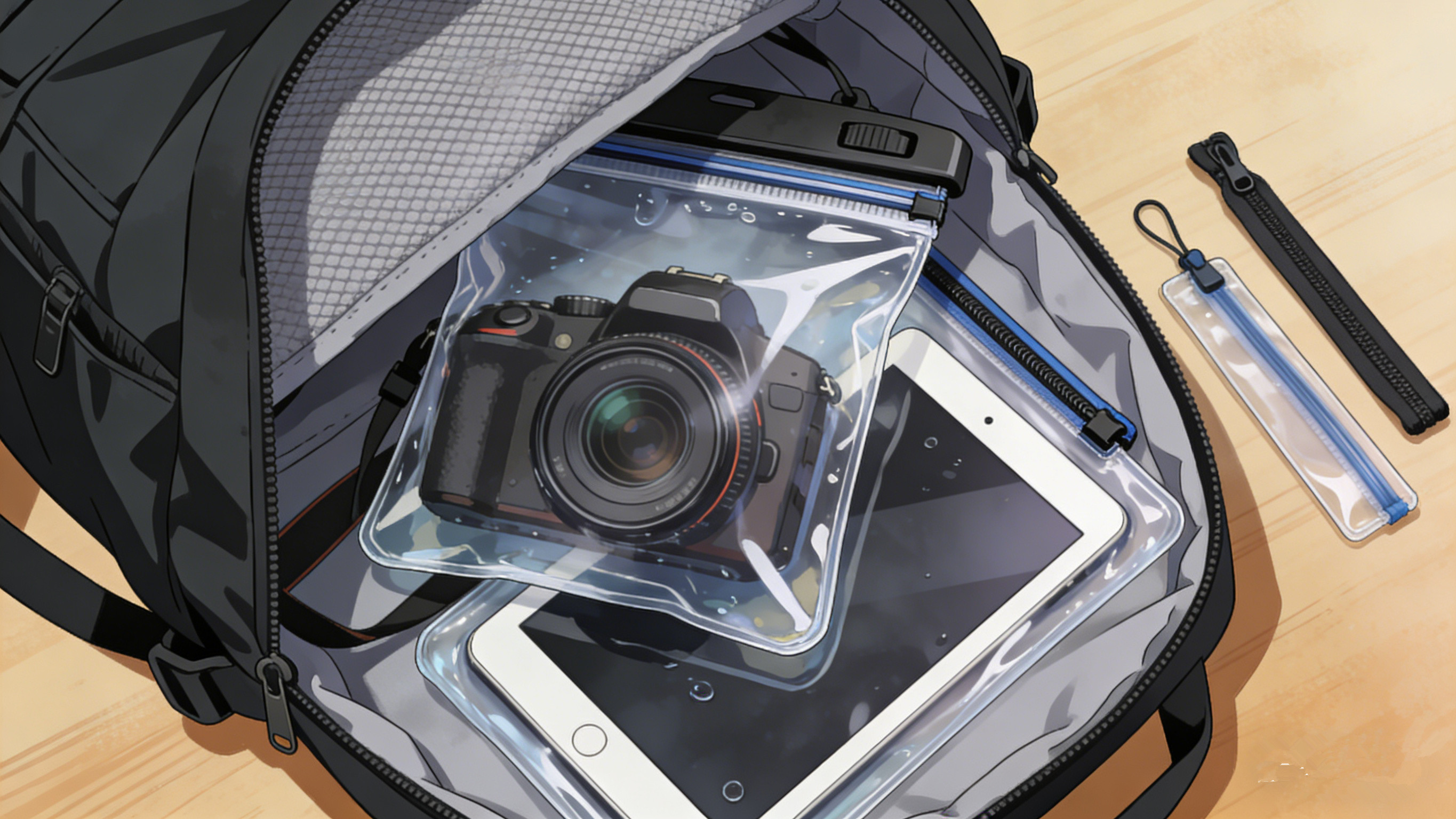
- Protecting Valuables (Cameras, Electronics):Even if using a water-resistant main pack, store electronics inside waterproof dry bags or pouches within the backpack for critical protection. Alternatively, choose a dedicated waterproof backpack designed for electronics.
Conclusion
The choice between a waterproof and a water-resistant backpack hinges on your specific needs and environment. By understanding the technical differences – particularly the IP rating system and the construction techniques (fabrics, seams, zippers) – you can make an informed decision. Students and commuters will find water-resistant backpacks practical, while adventurers facing harsh conditions require the absolute reliability of a truly in the right level of protection ensures your belongings stay safe and dry, enhancing your experience whether you're heading to class, the office, or the wilderness.


